MYANMAR
News from Myanmar rarely reaches the rest of the world, and when it does, it is often distressing. Since the former British colony of Burma declared independence in 1948, the world's longest ongoing civil war has torn the country apart continuing to this day. After just a few years of democratization and increasing openness in the country, the recent military takeover in 2021 has seen hopes of a better future for many once again drown in the fire of military conflict. The atmosphere in the country is oppressive. Those who can, hide behind meter-high barbed wire. After dark, hardly anyone ventures outside, even in the economic megacity of Yangon. Young people hardly dare to go out on the streets for fear of forced recruitment. Those who can, leave the country altogether in search of a secure future.
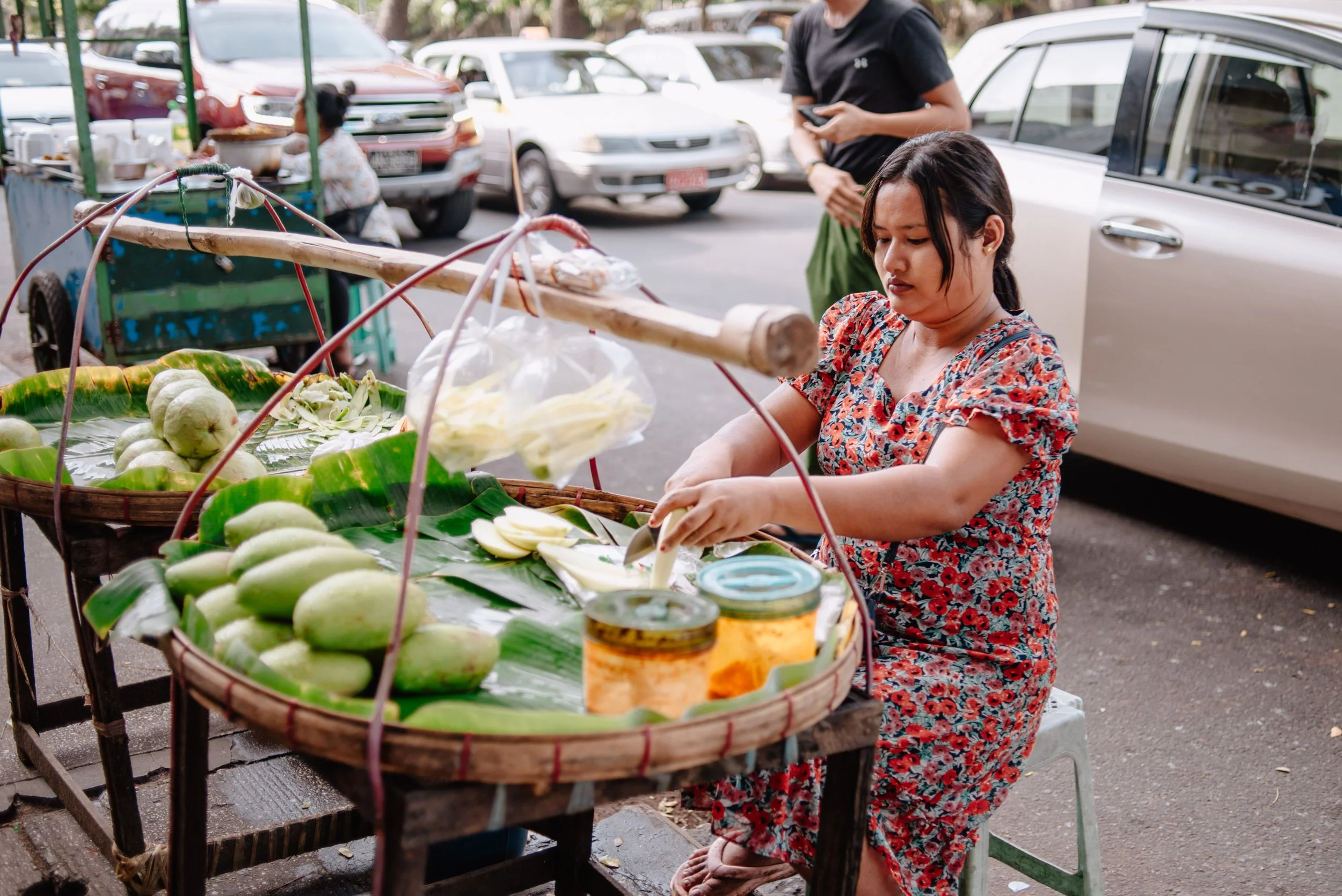
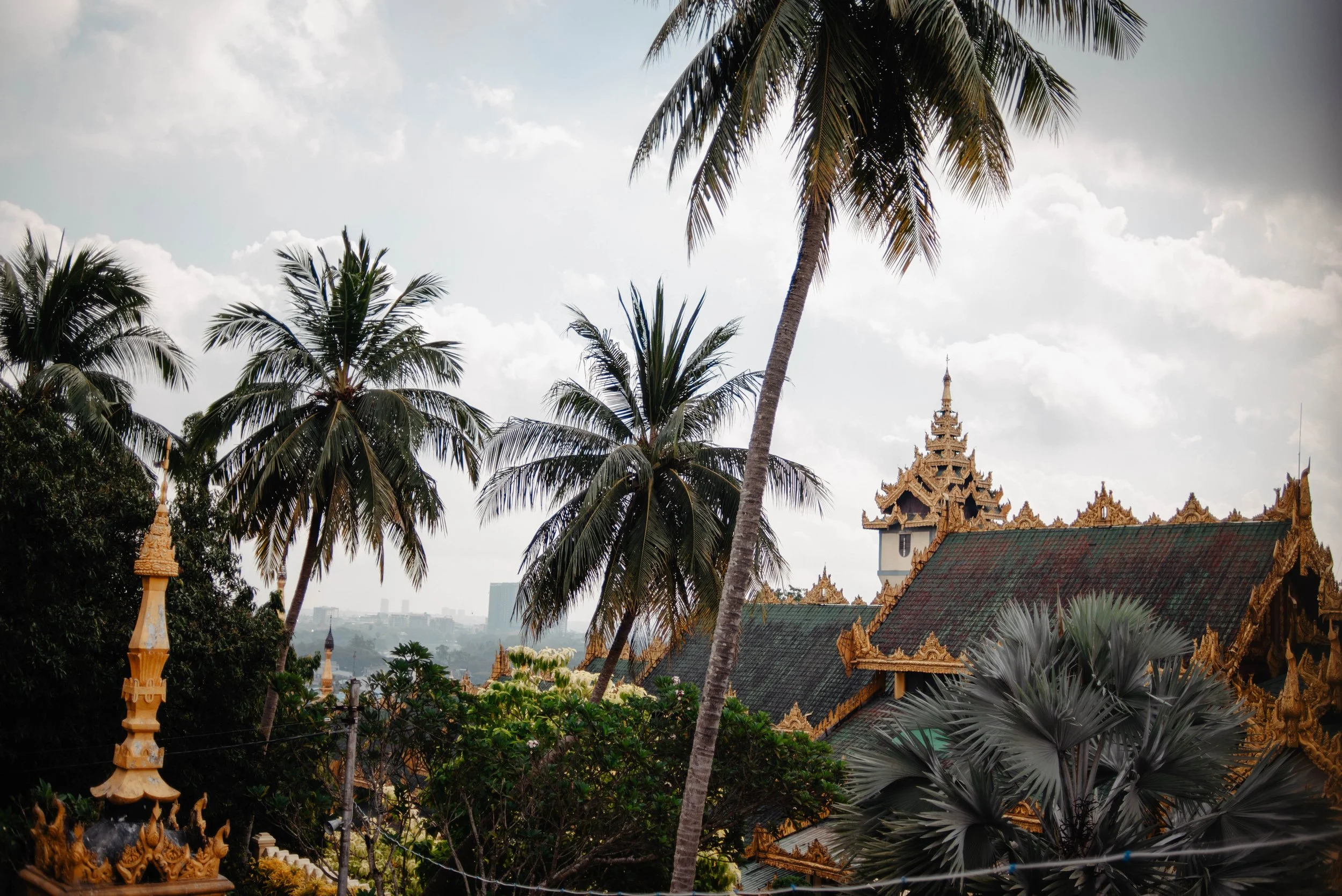
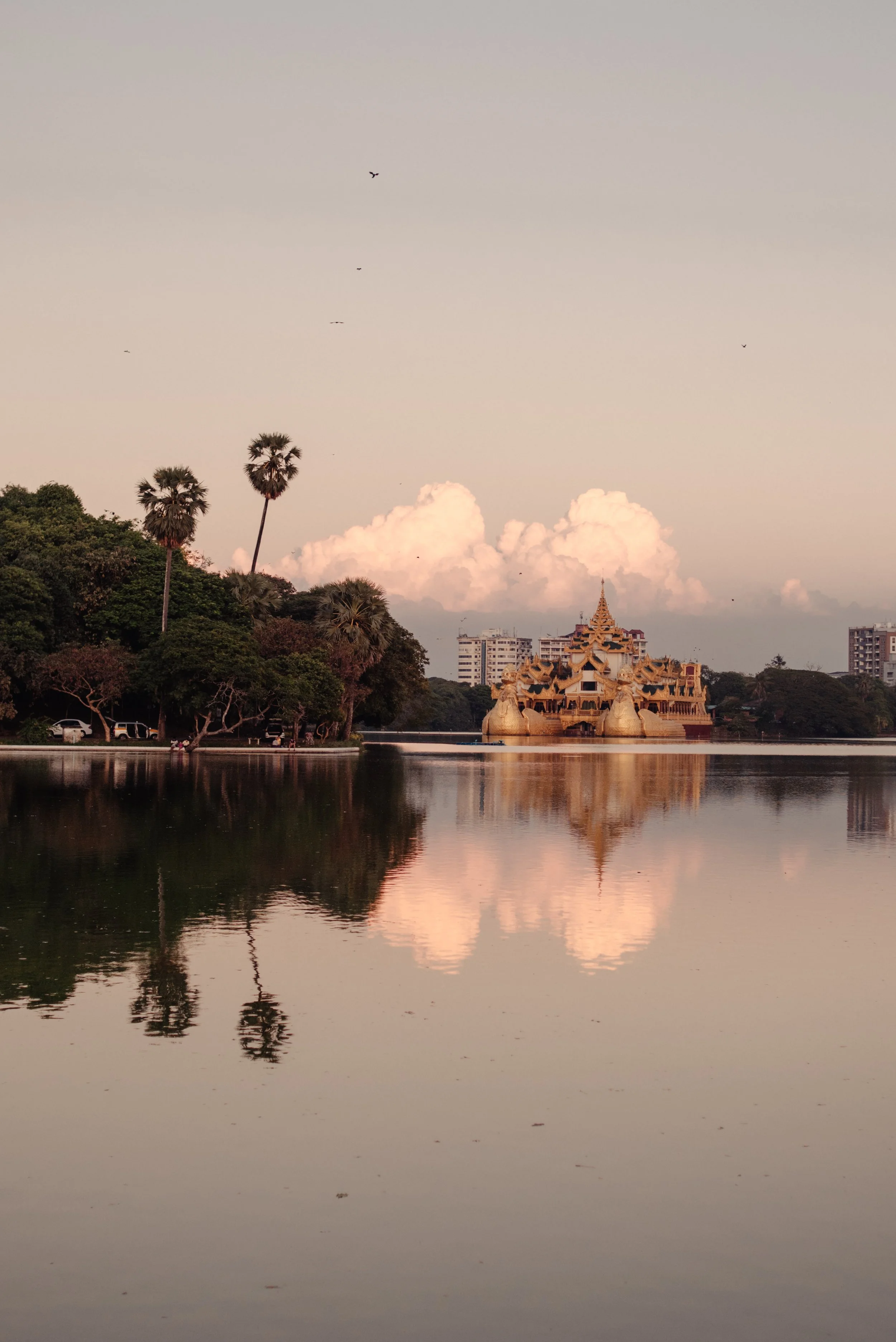
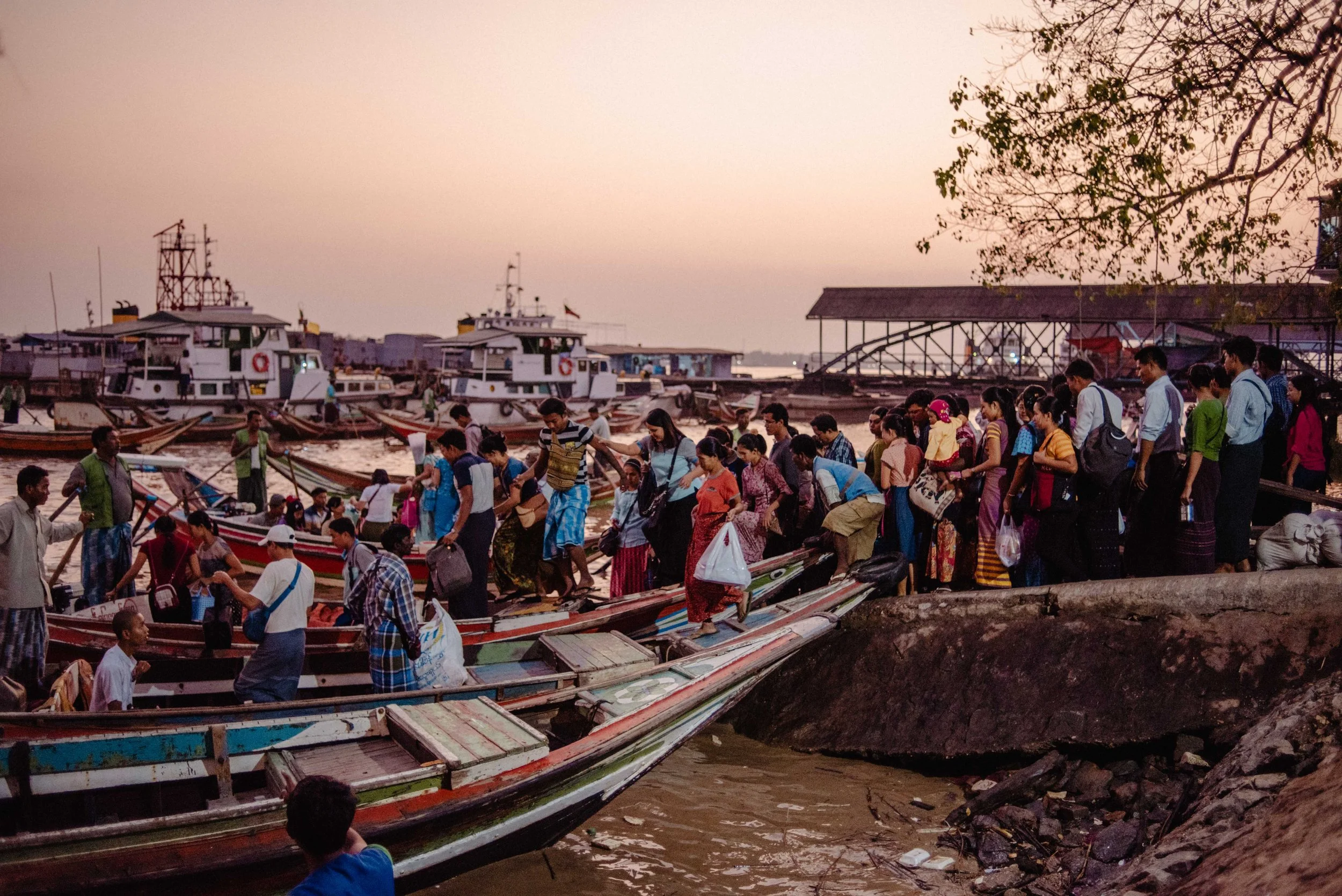
And yet this multi-ethnic state is full of cultural treasures and beauty waiting to be discovered and protected. More than 135 ethnic groups live in the different regions of Myanmar, which stretches from the Himalayas in the north, to beautiful sandy beaches in the south, covering twice the area of Germany. These people groups speak different languages, wear different clothes and eat different food, all of which can be found in the multi-ethnic and multi-cultural city of Yangon, where our head office is located. Let our photos take you on a short cultural journey through this fascinating country:
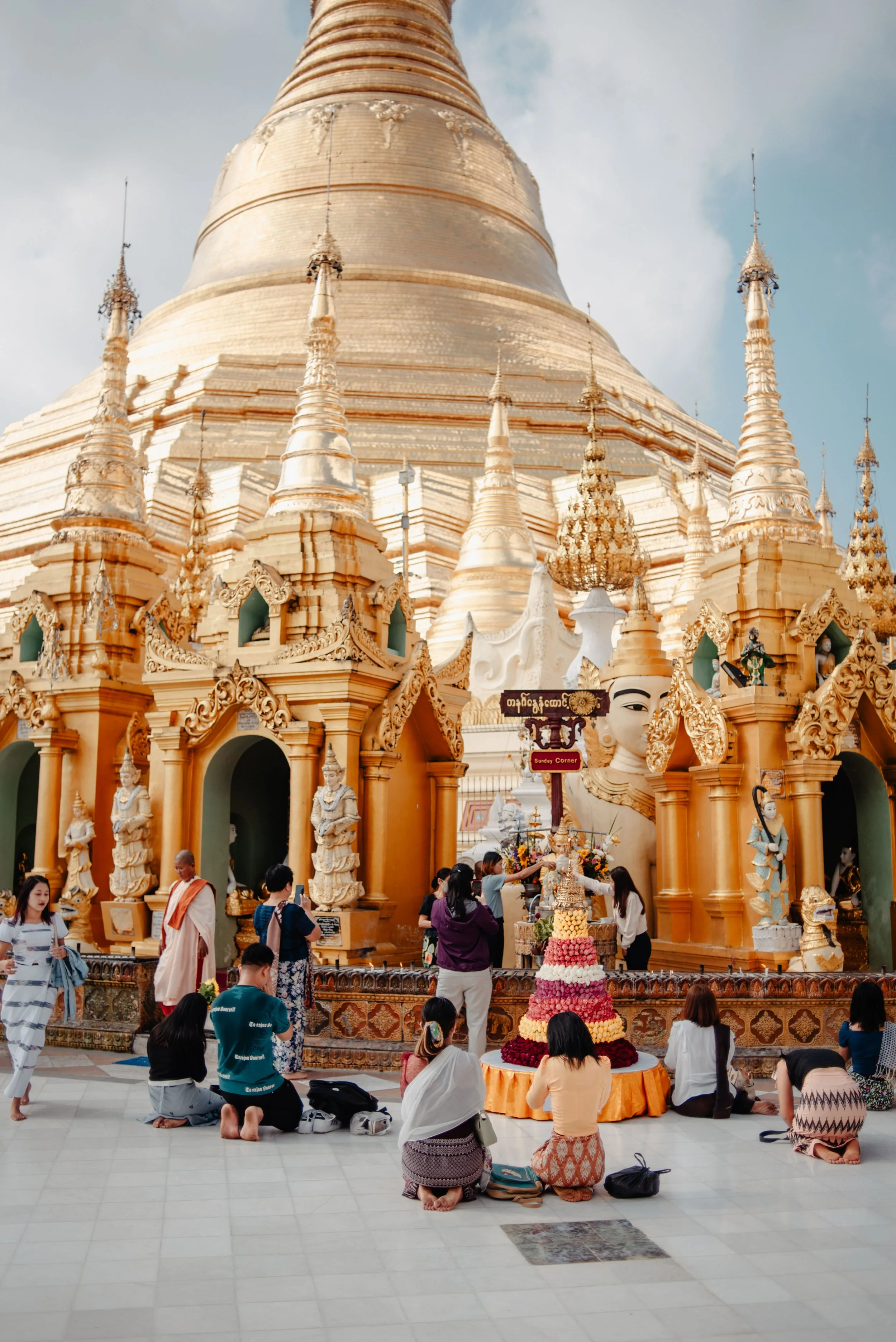
Schwedagon Pagoda
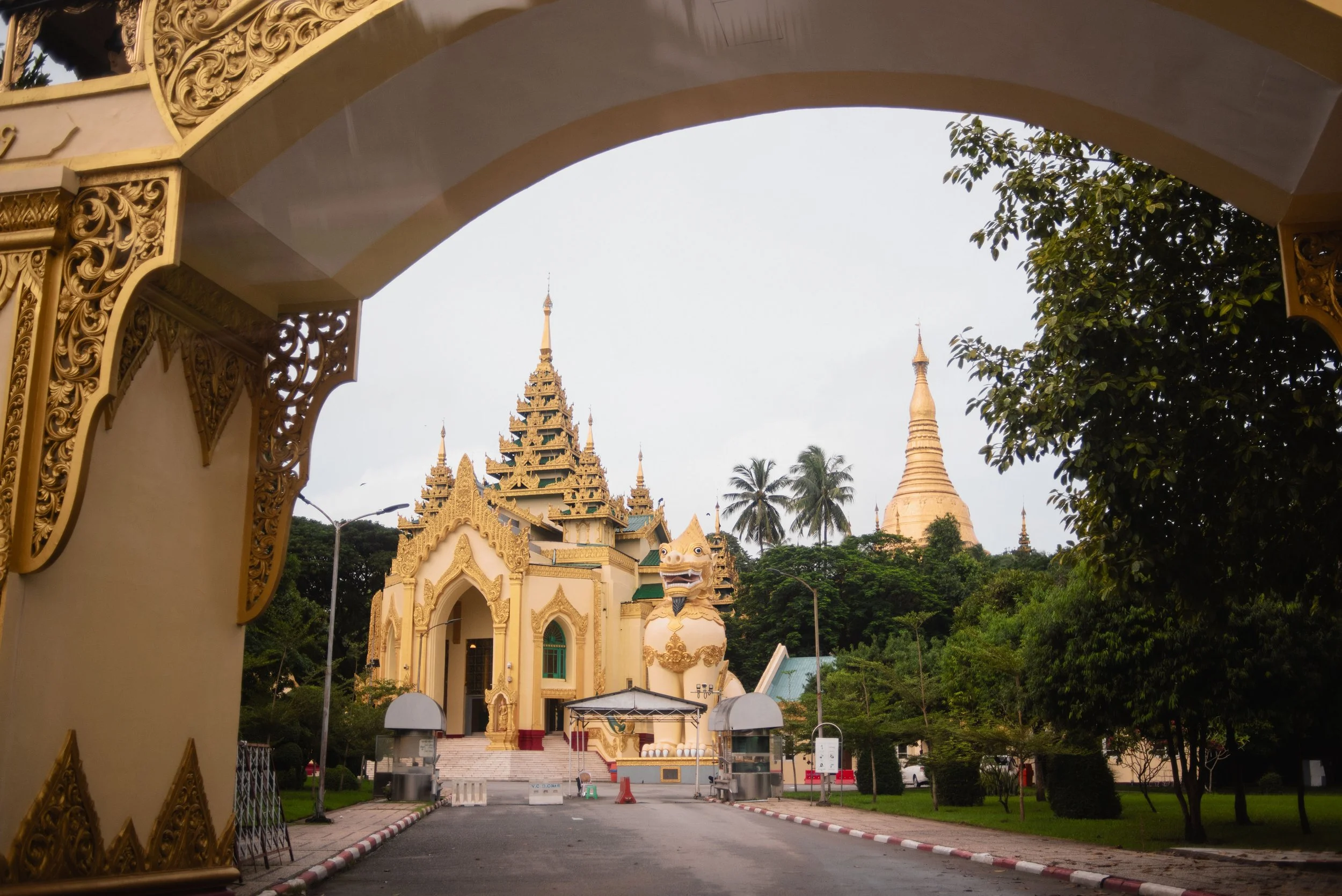
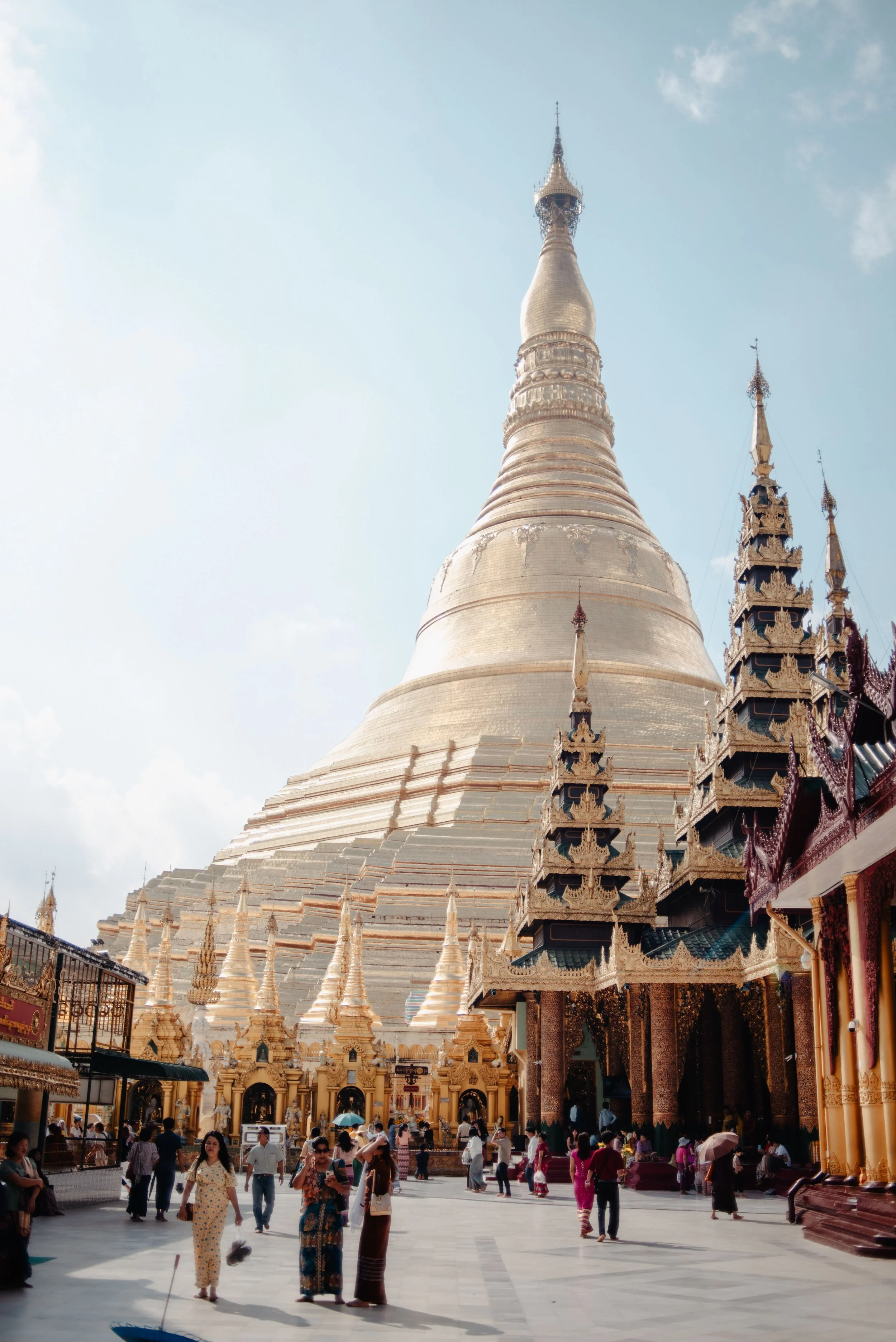
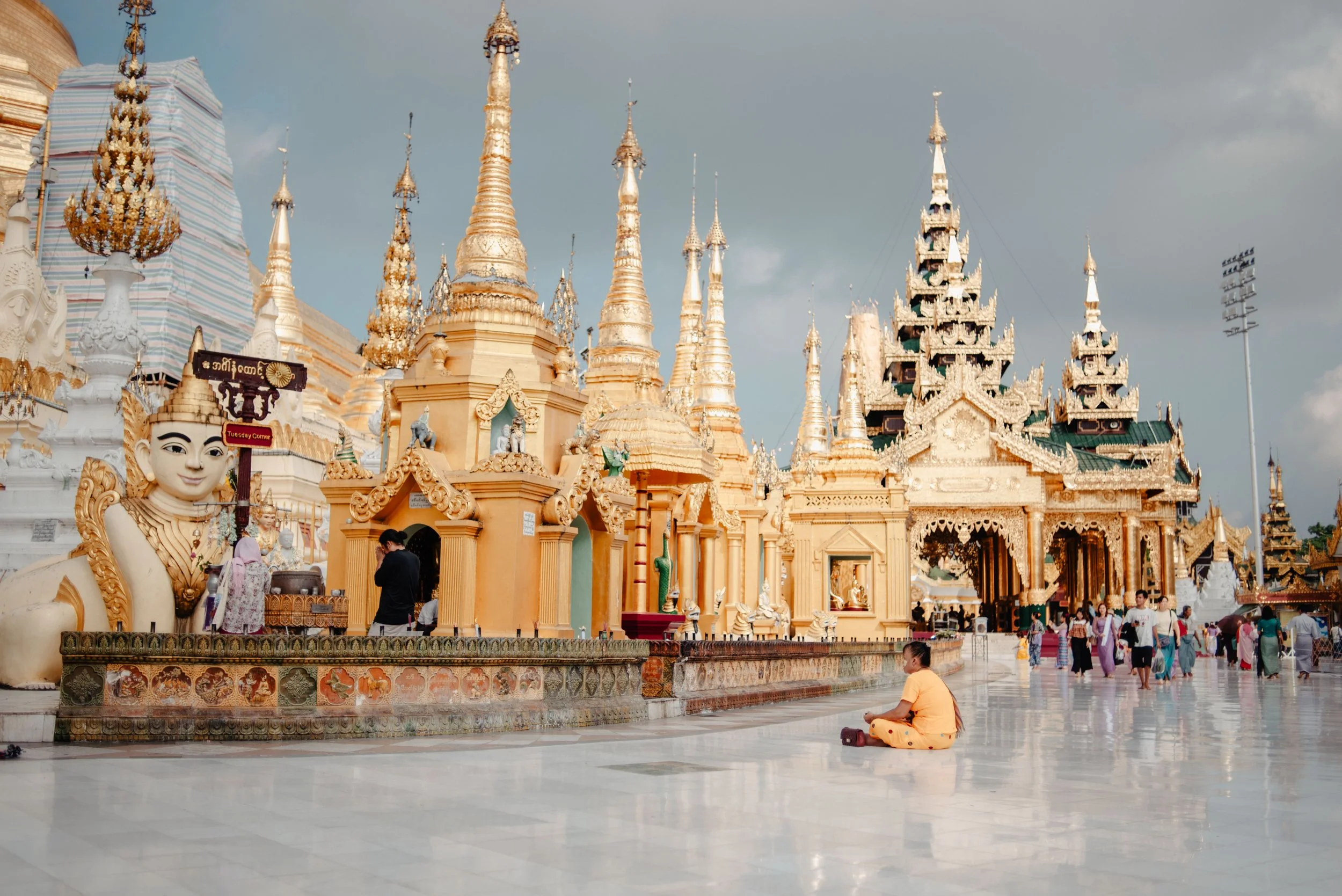
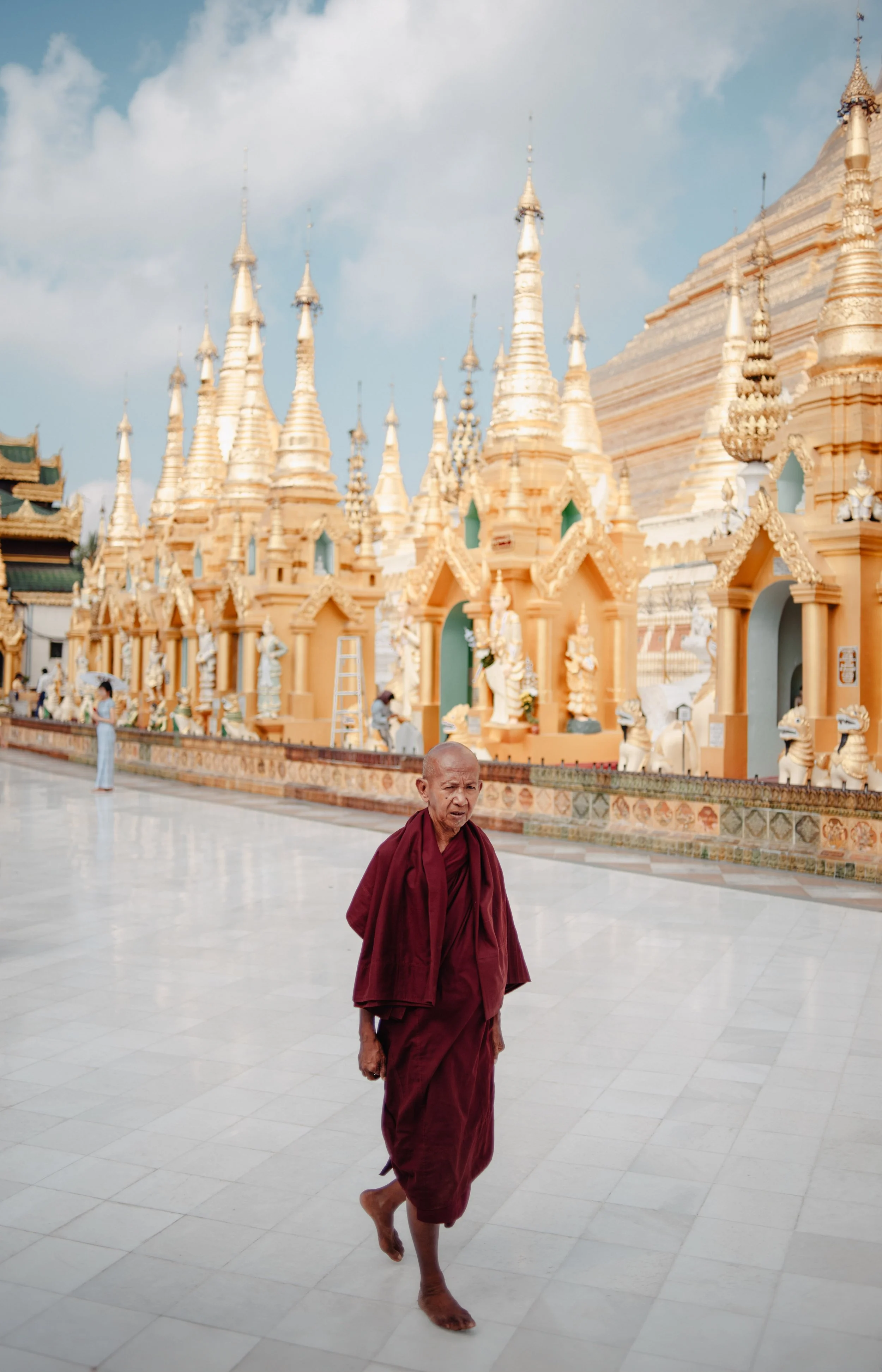
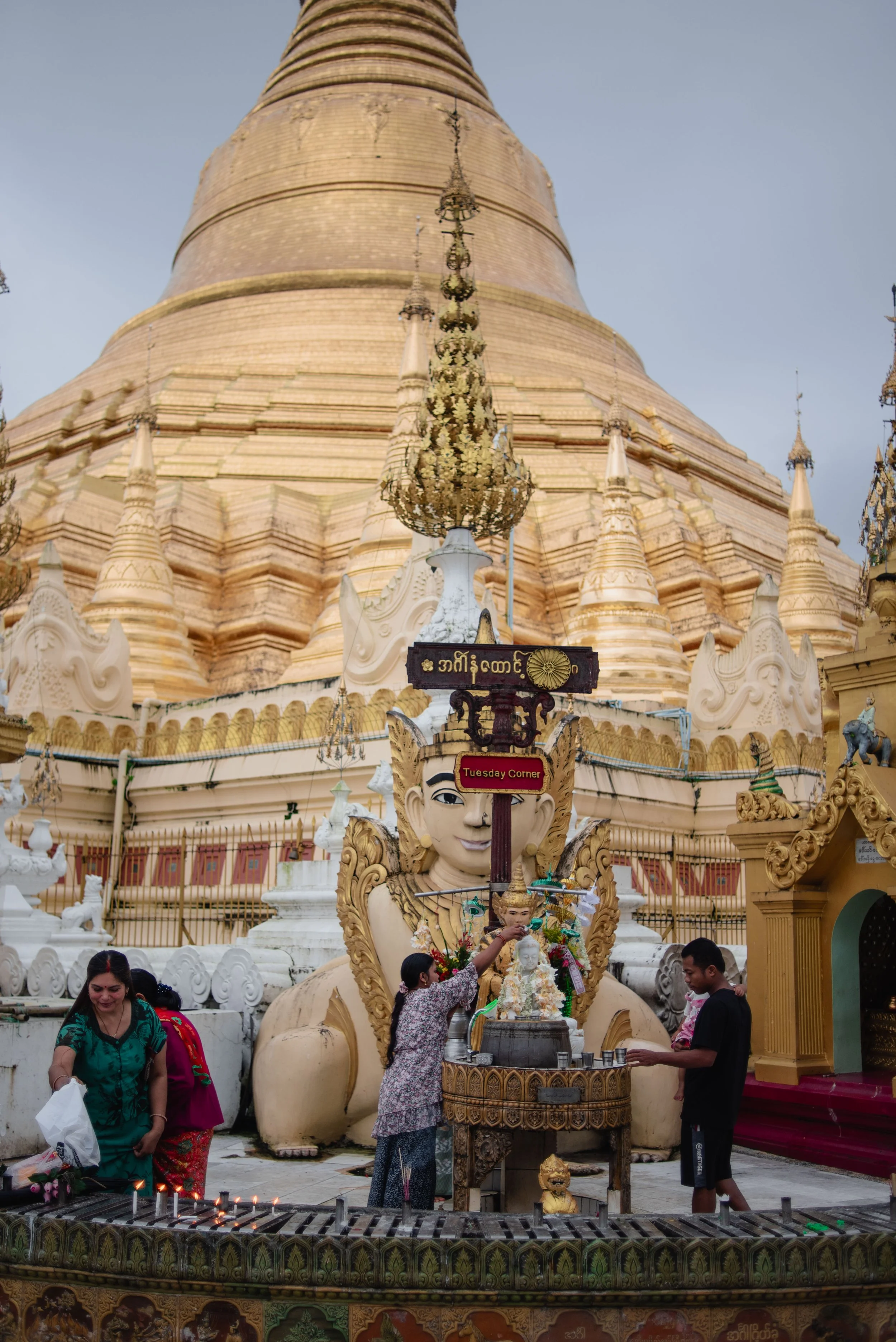
One of the largest and most famous pagodas in the Buddhist world is located in the center of the city: the Schwedagon Pagoda. Here you will find local and visiting believers performing various Buddhist and cultural rituals every day on birthdays, holidays or special occasions.
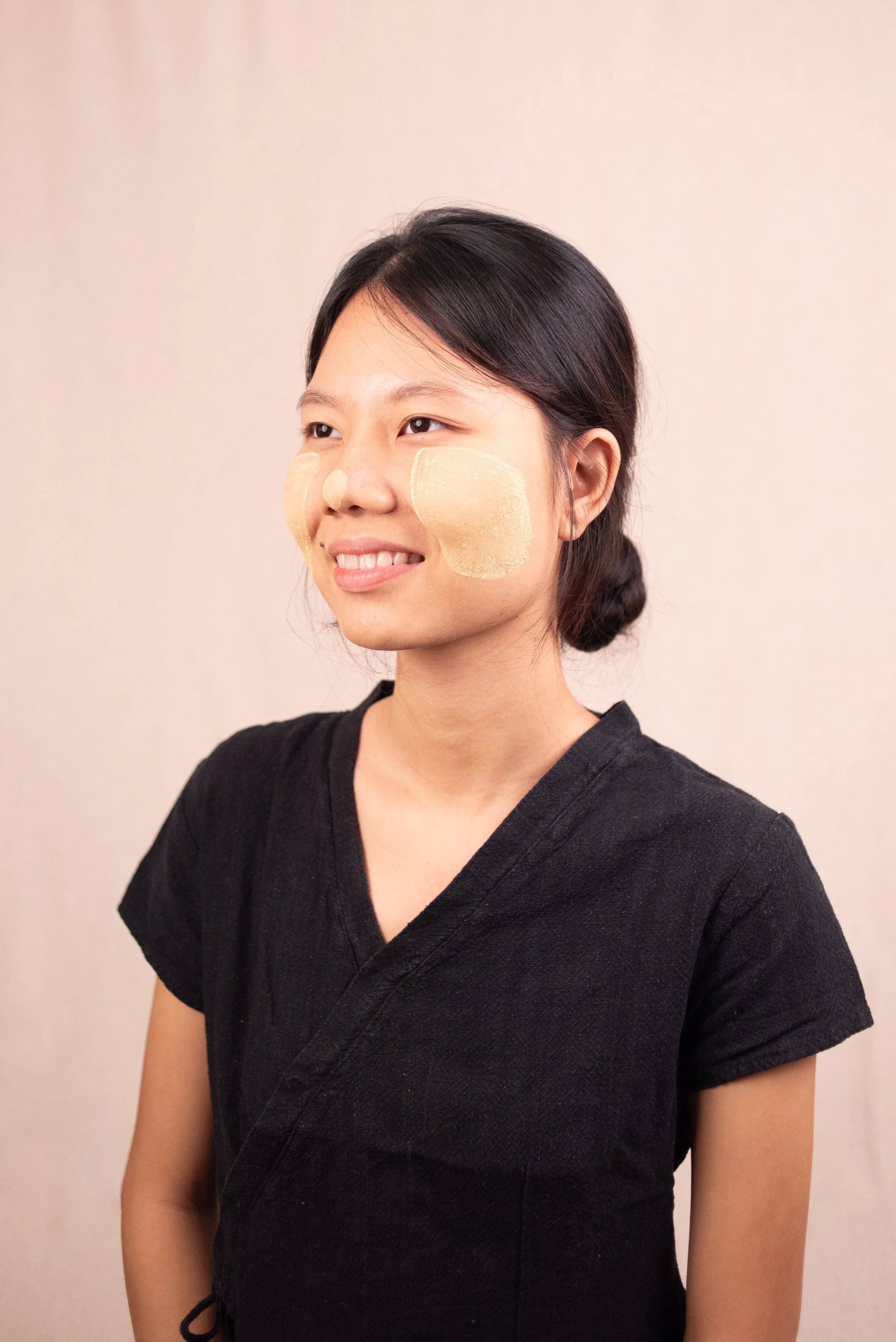
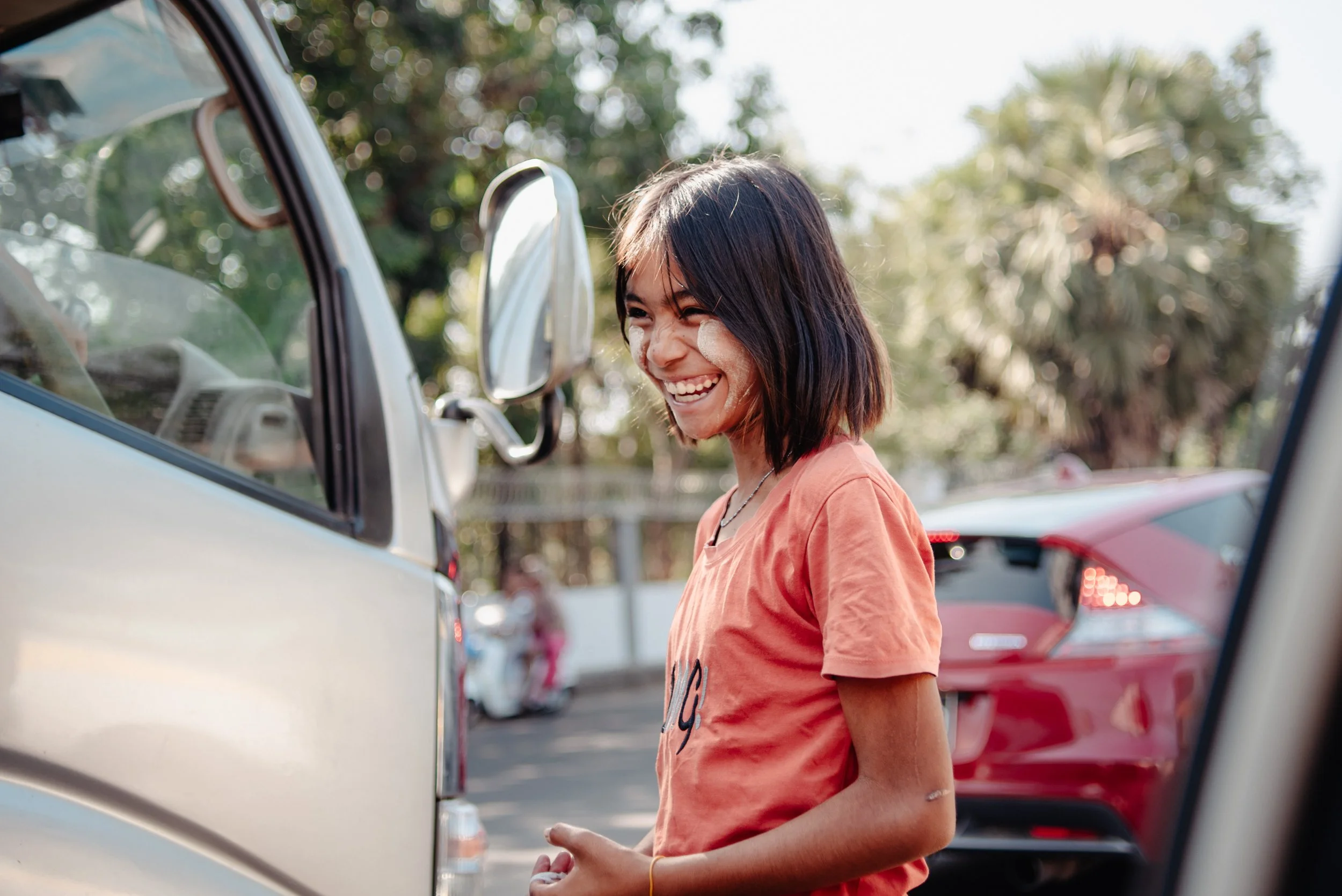
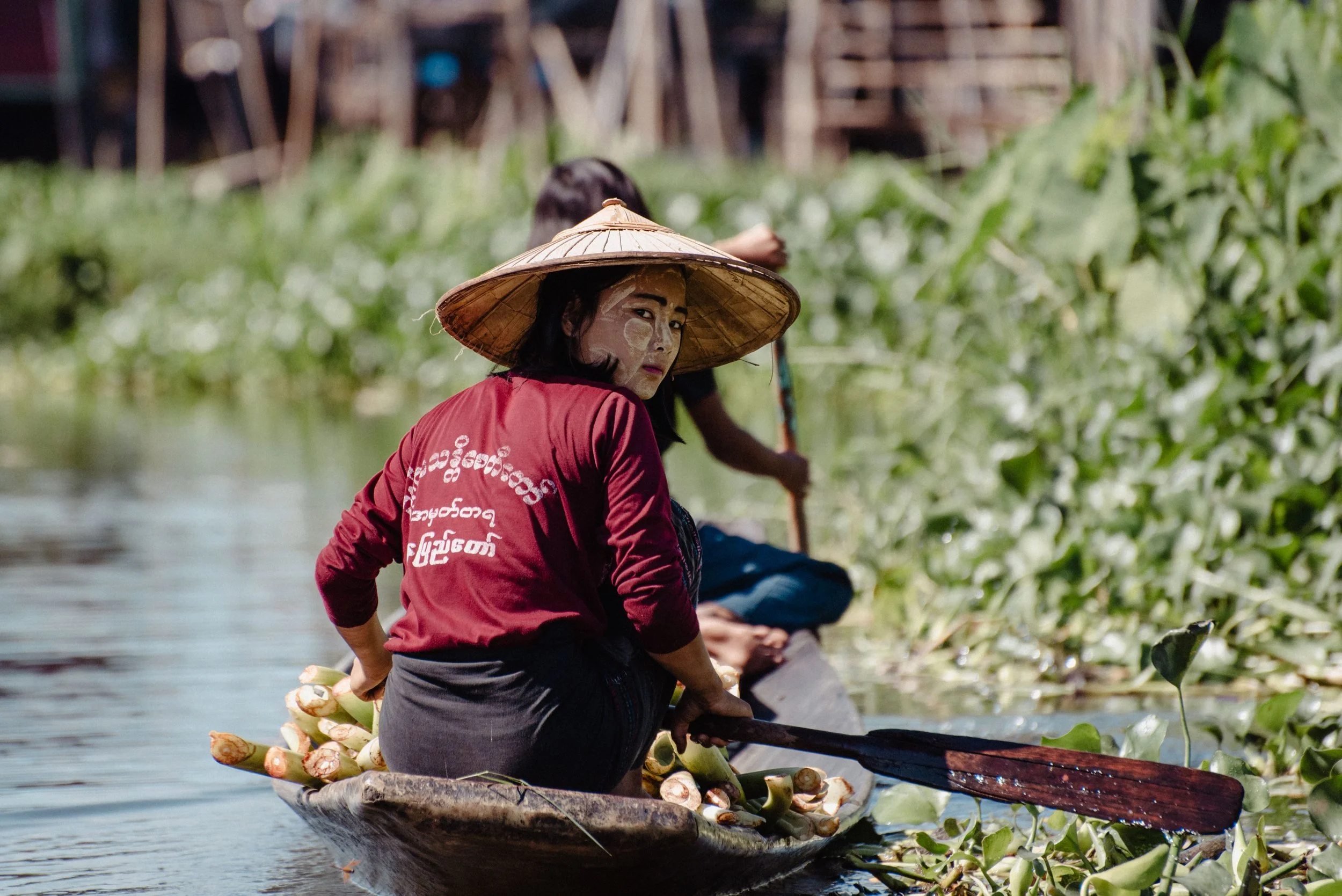
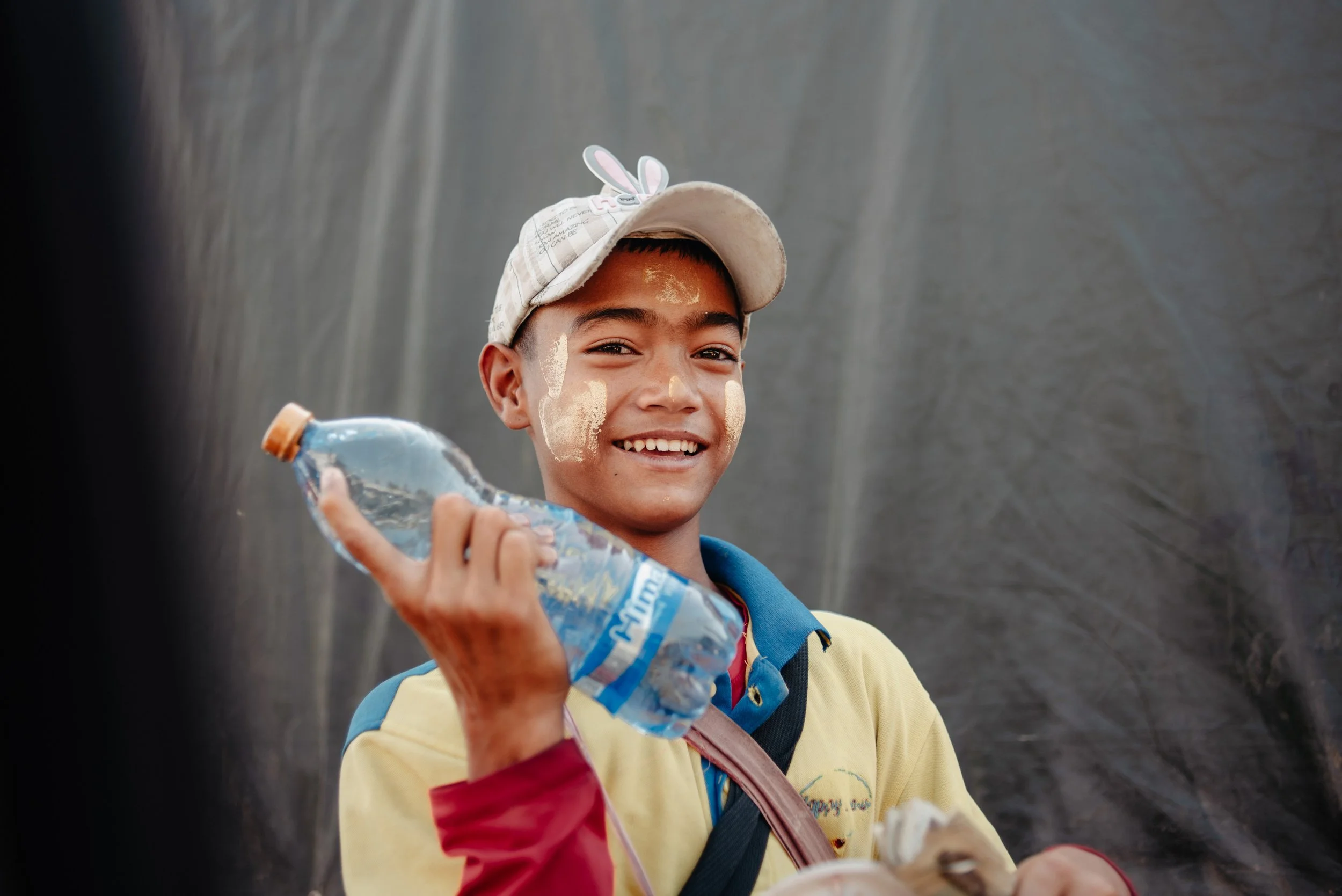
Thanaka
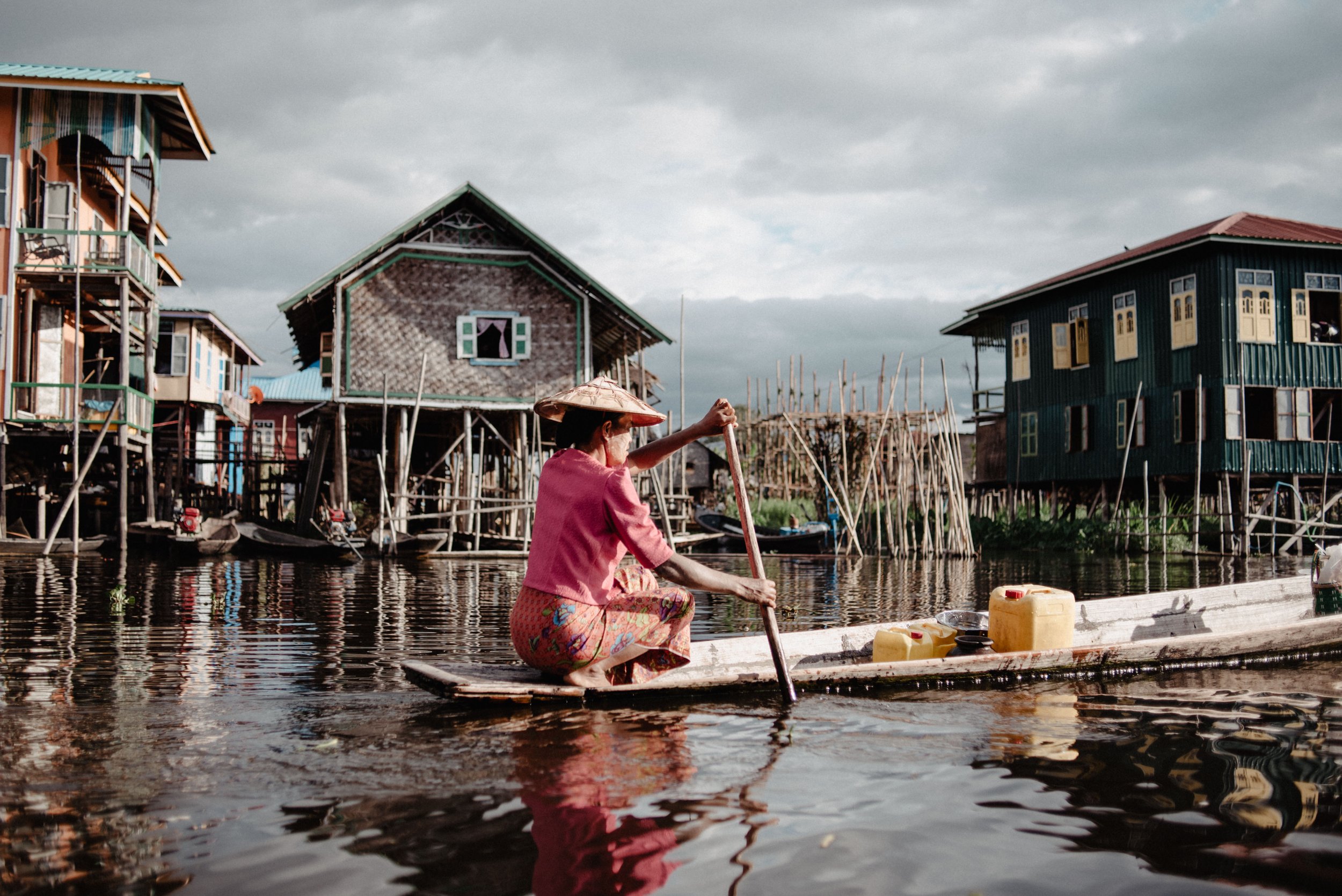
The paste, which women and men often apply daily to their cheeks, forehead and sometimes nose and chin as make-up and protection from the tropical sun, is made by rubbing tree bark on a wet stone.
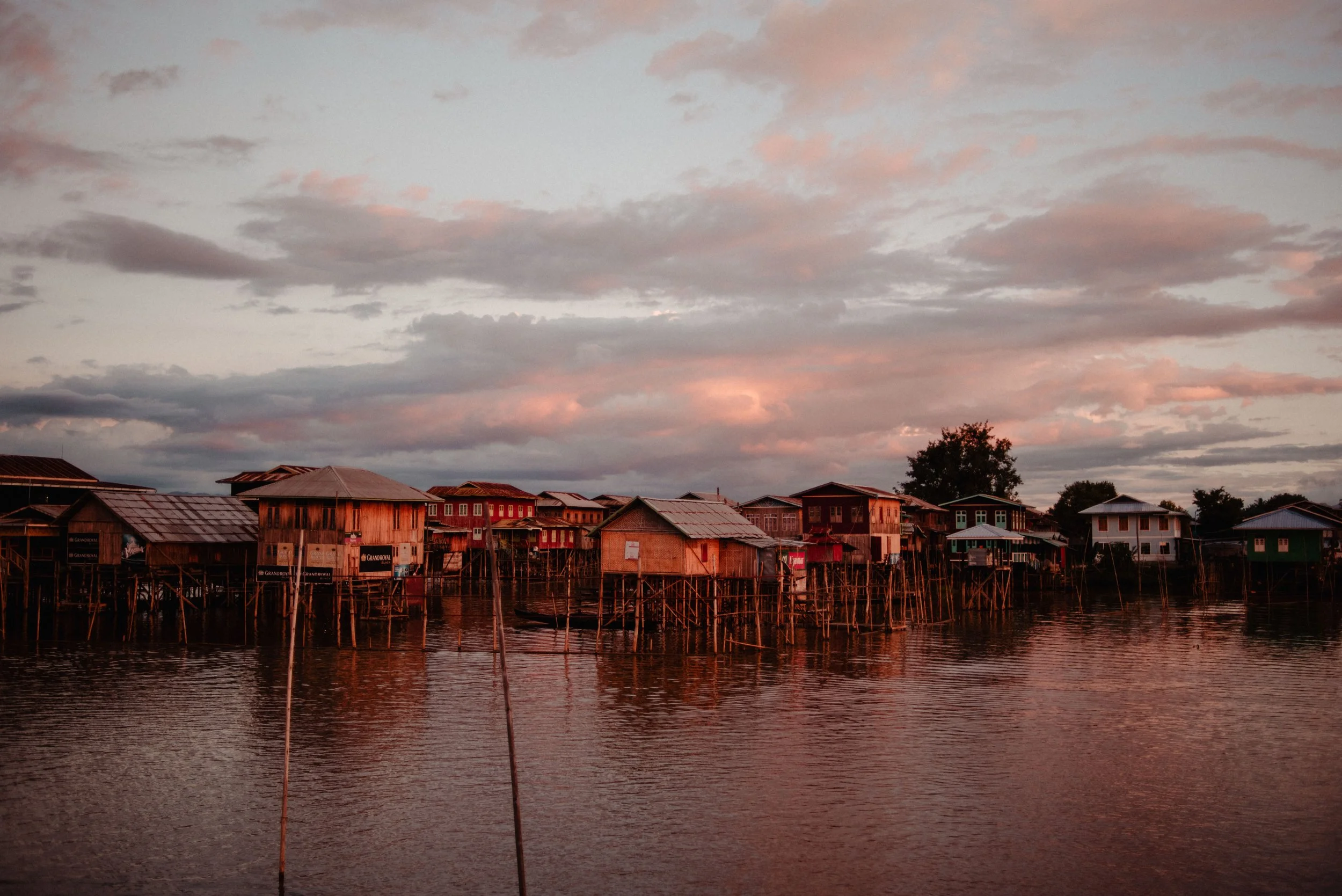
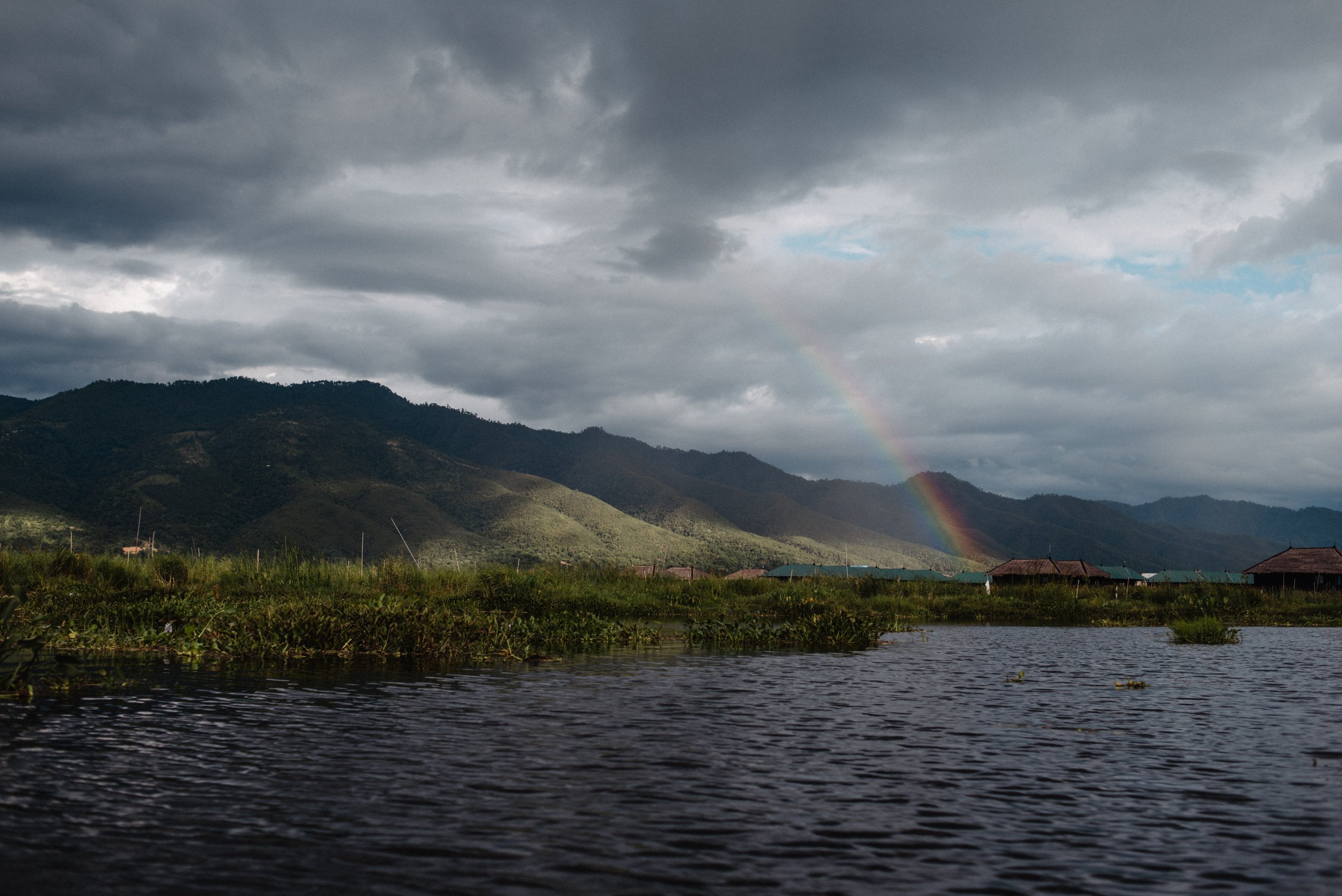
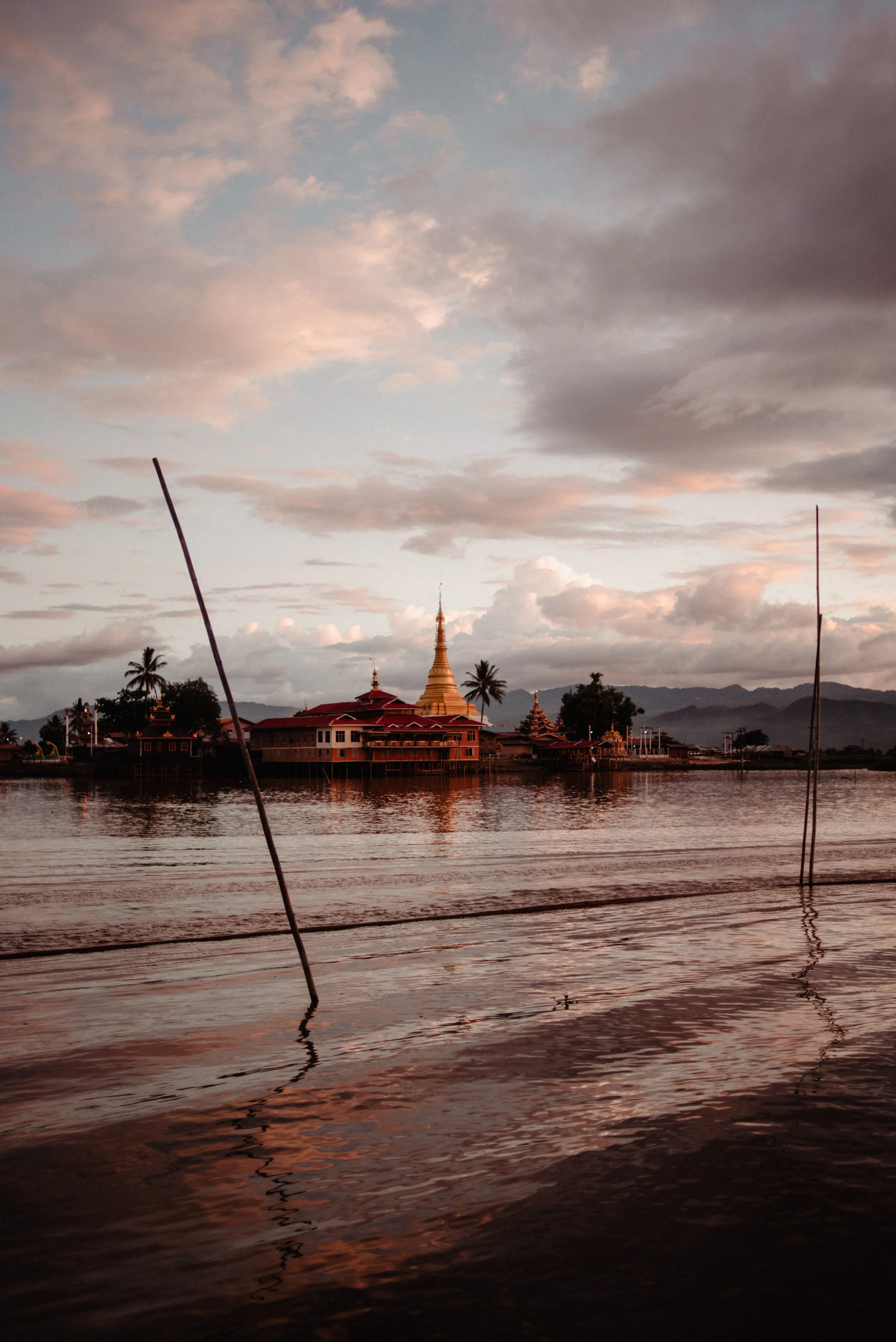
Inle Lake:
Nestled in the green hills of the Shan region in the east of the country, this shallow freshwater lake is known for the cultivation of vegetables and the special fishing techniques of its inhabitants. The villages built on stilts in the water are also fascinating.
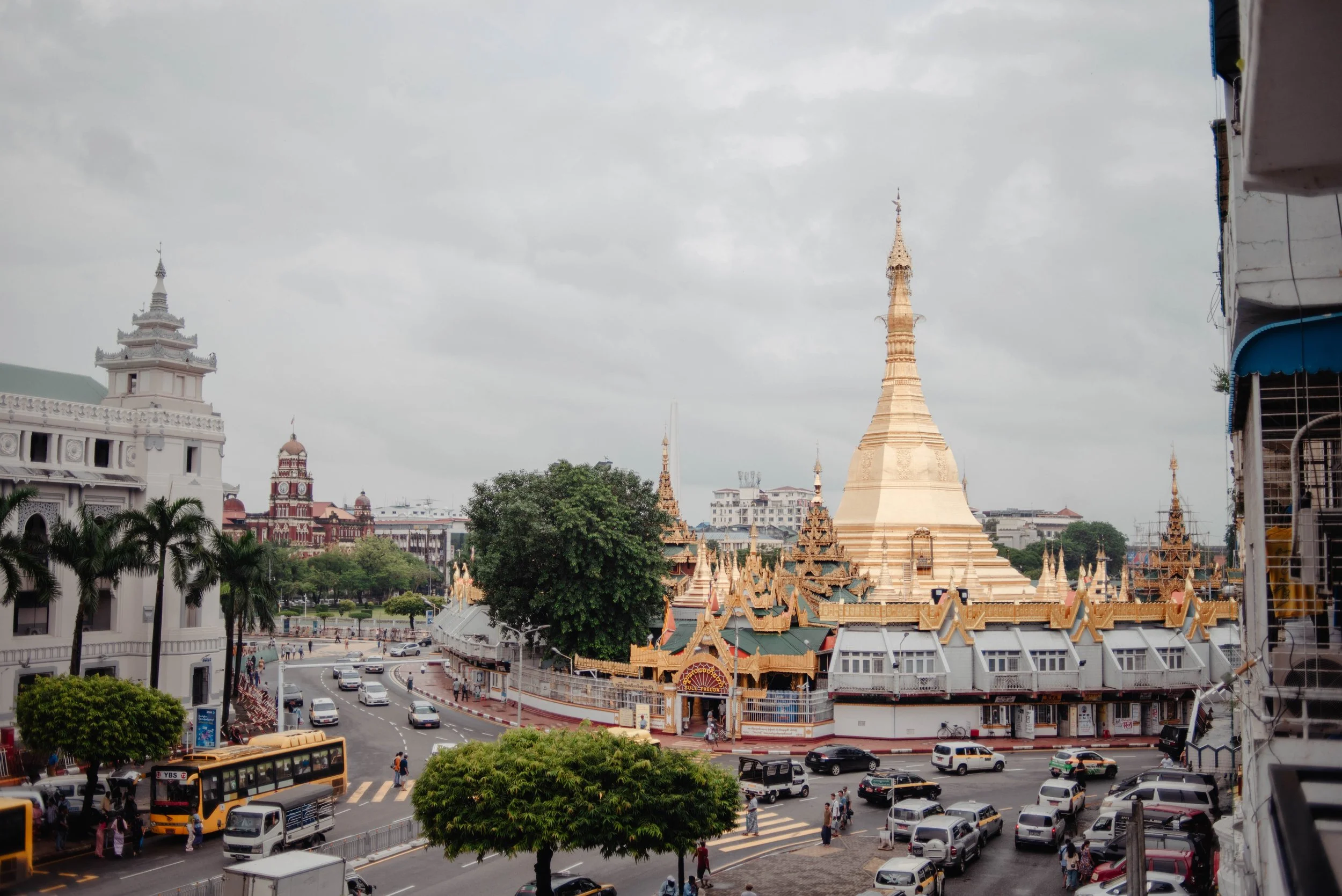
Yangon:
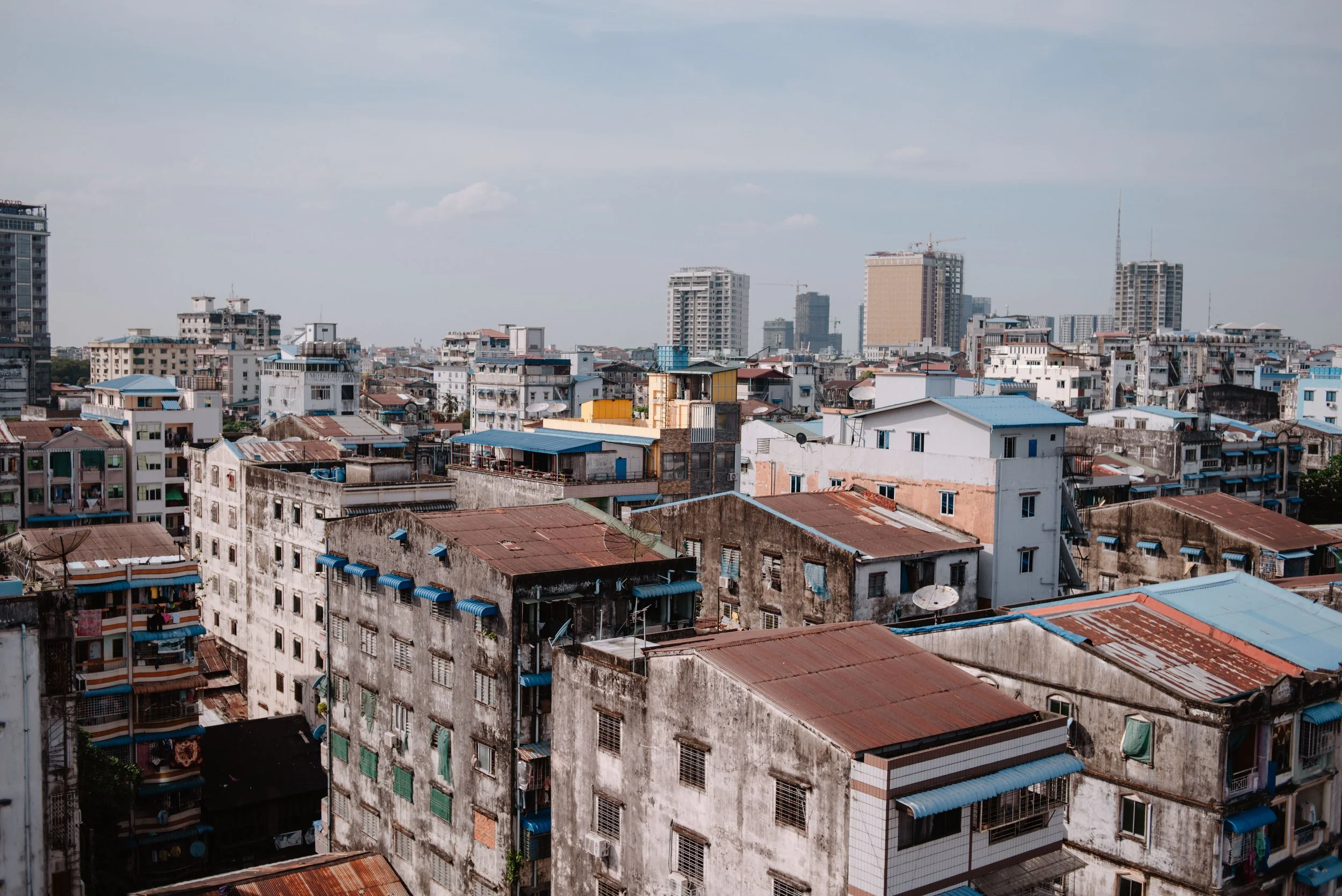
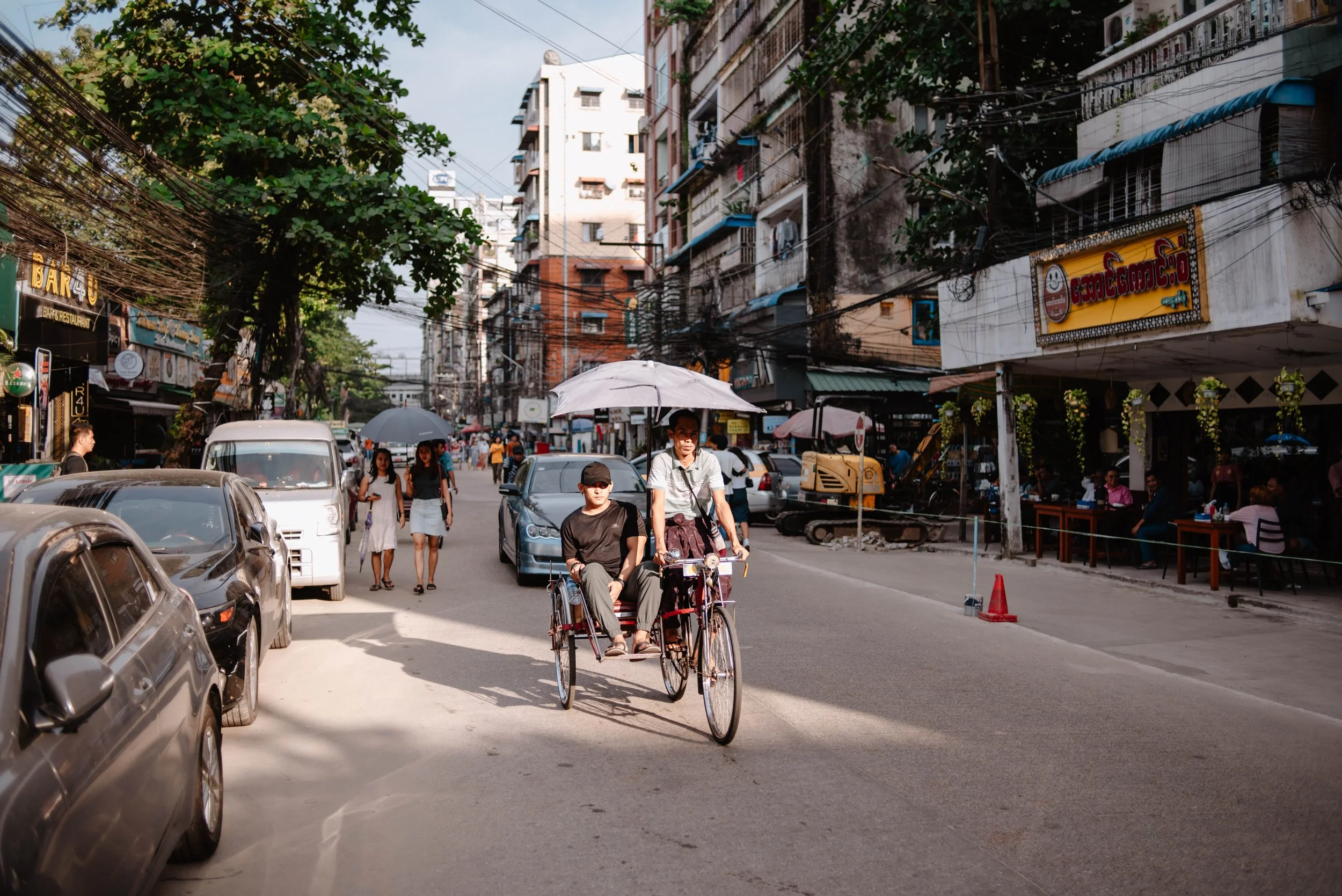
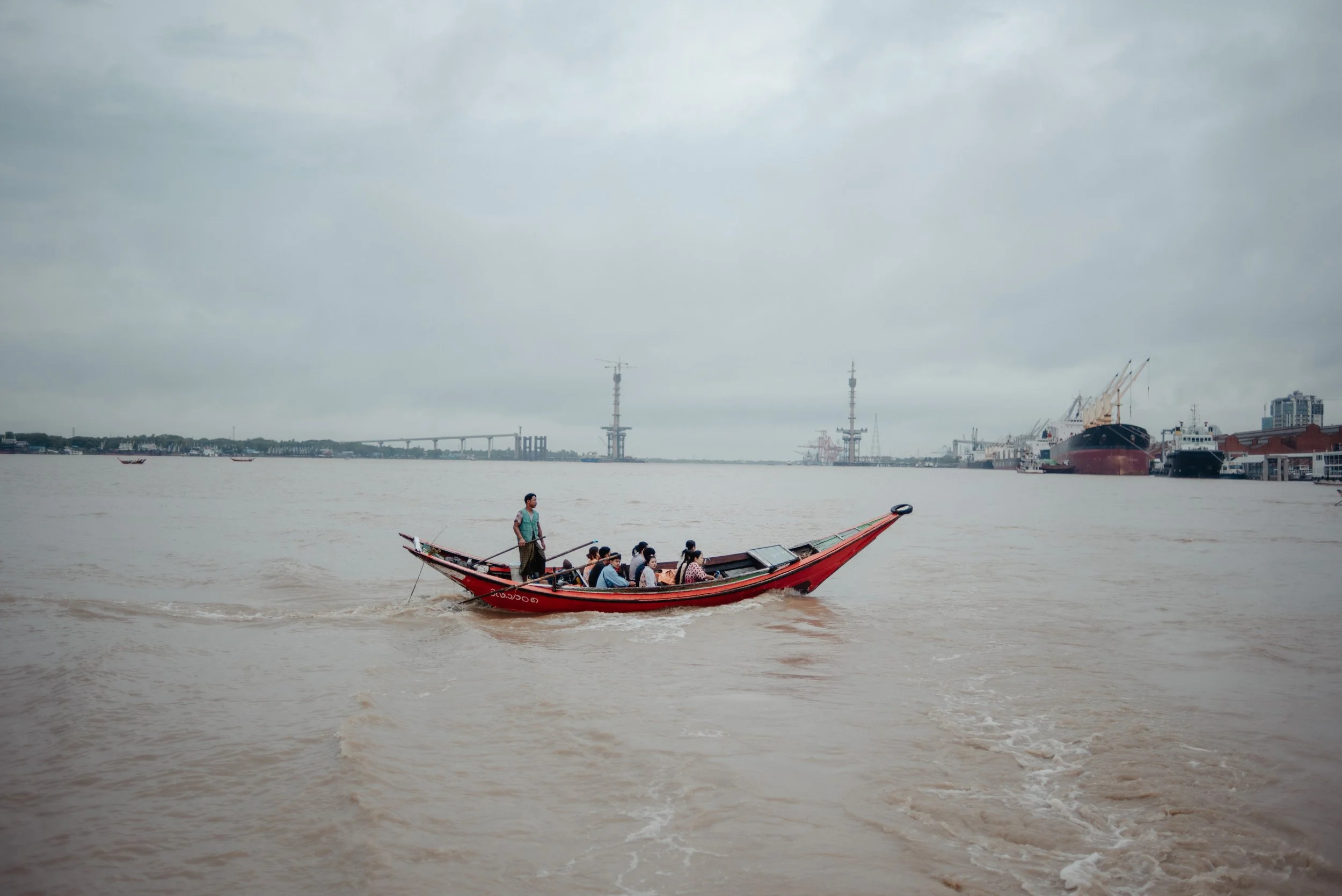
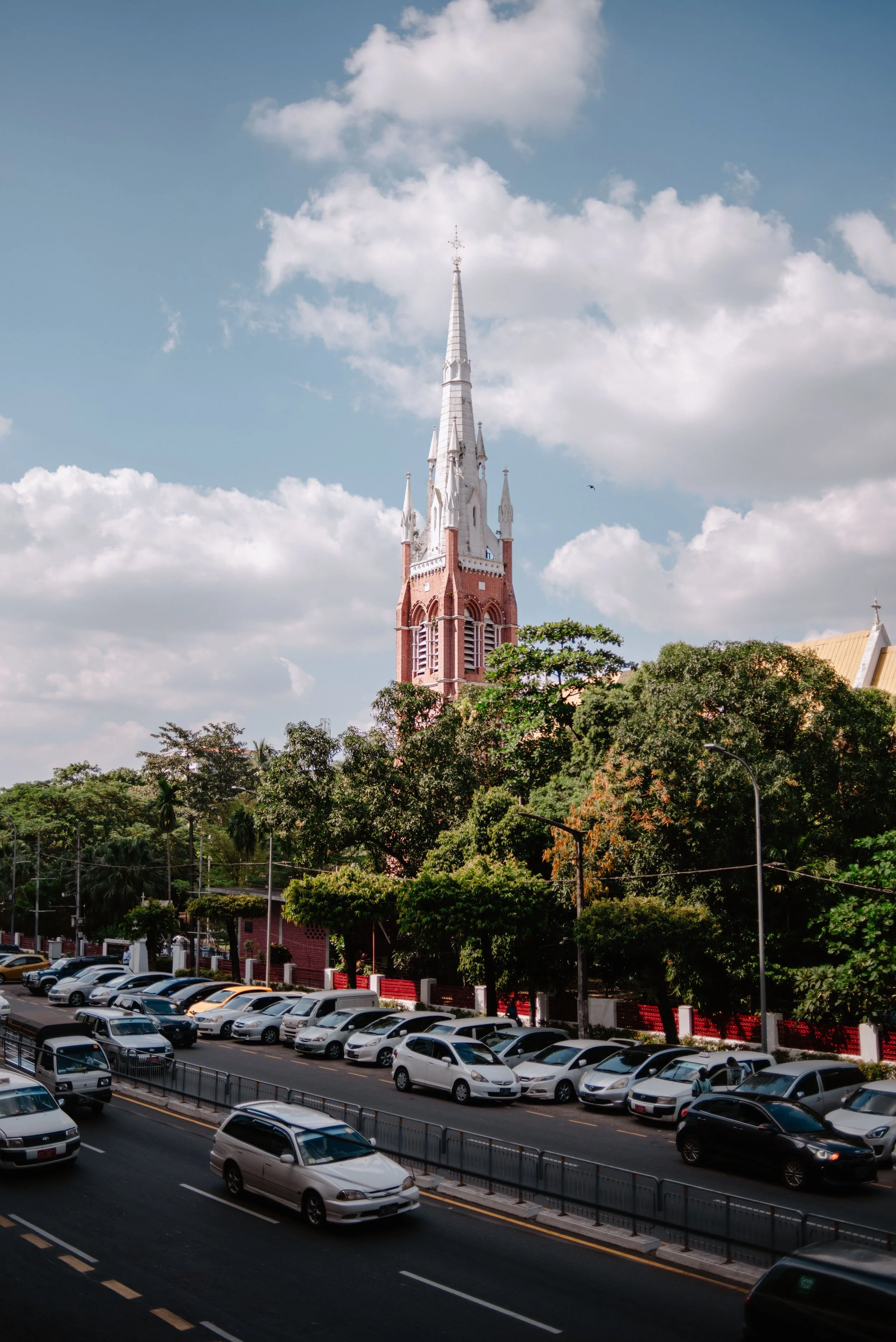
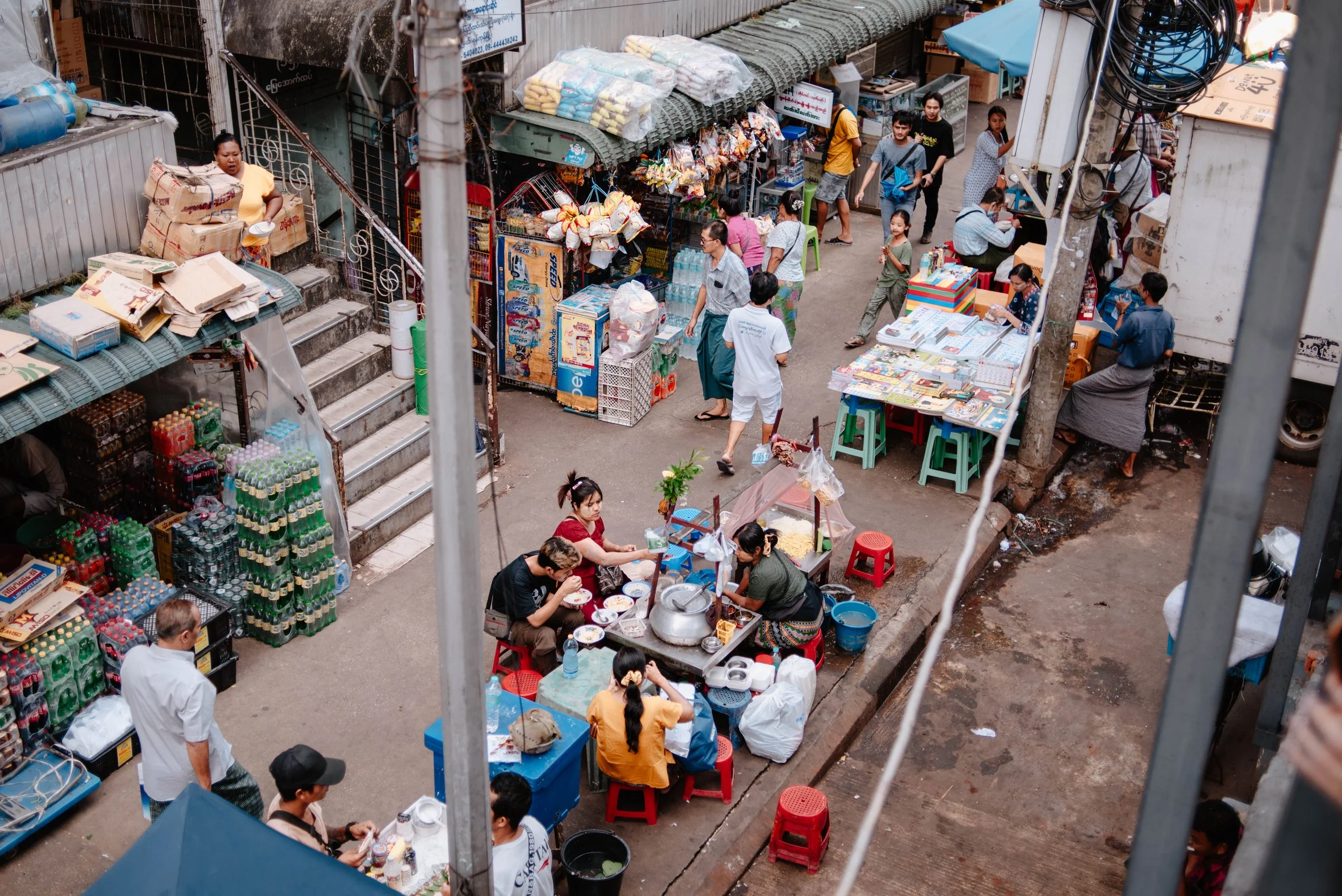
The hustle and bustle of the city of Yangon can be observed particularly well from one of the traditional teahouses or from one of the many pedestrian bridges. Yangon is the economic capital of Myanmar and home to an estimated 7 million people.